Indonesia’S Spiritual Side: Balinese Hinduism Dance & Rituals Unveiled
Have you ever wondered what lies beneath Indonesia’s vibrant culture? Beyond its stunning beaches and bustling cities, there’s a spiritual world waiting to captivate you.
Balinese Hinduism isn’t just a religion—it’s a living, breathing tradition expressed through mesmerizing dances and powerful rituals. These ancient practices invite you to experience a deeper connection to life, nature, and the divine. If you’re curious about how movement and ceremony come together to tell stories of gods and spirits, this glimpse into Bali’s spiritual side will hold your attention from start to finish.
Get ready to discover the magic woven into every step and chant.
Balinese Hinduism Roots
Balinese Hinduism is a unique form of Hinduism found only in Bali, Indonesia. It blends ancient Hindu teachings with local traditions and beliefs. This blend creates a rich spiritual culture that shapes Bali’s arts, dance, and rituals.
Understanding the roots of Balinese Hinduism helps us appreciate its deep meaning. The religion’s history and core beliefs guide the way Balinese people live and worship.
Historical Background
Balinese Hinduism started over a thousand years ago. Hindu traders and priests came from India and brought their religion. It mixed with old island customs and beliefs.
The Majapahit Empire from Java played a big role in spreading Hinduism to Bali. When the empire declined, many Hindu people moved to Bali. They kept their faith alive and made it their own.
Today, Balinese Hinduism stands as a symbol of cultural pride and spiritual life on the island.
Core Beliefs And Practices
Balinese Hinduism teaches about harmony between humans, nature, and the gods. It focuses on balance and respect for all life.
The belief in multiple gods and spirits shapes daily life. People pray and offer gifts to maintain good relations with these forces.
Rituals and ceremonies are vital. They mark important events and seasons, keeping the community connected to their faith.
Dance and music are more than art. They serve as prayers and stories about gods and ancestors.

Credit: www.baliholidaysecrets.com
Sacred Dance Forms
Balinese Hinduism is rich with sacred dance forms that tell spiritual stories. These dances are more than art. They are rituals that connect the physical and spiritual worlds. Each dance carries deep meanings and plays a key role in religious ceremonies.
The sacred dances use intricate movements and expressions. They invite the audience to experience Balinese culture and beliefs. The dances often depict ancient myths, gods, and spiritual battles. Here are three important sacred dance forms from Bali.
Legong Dance
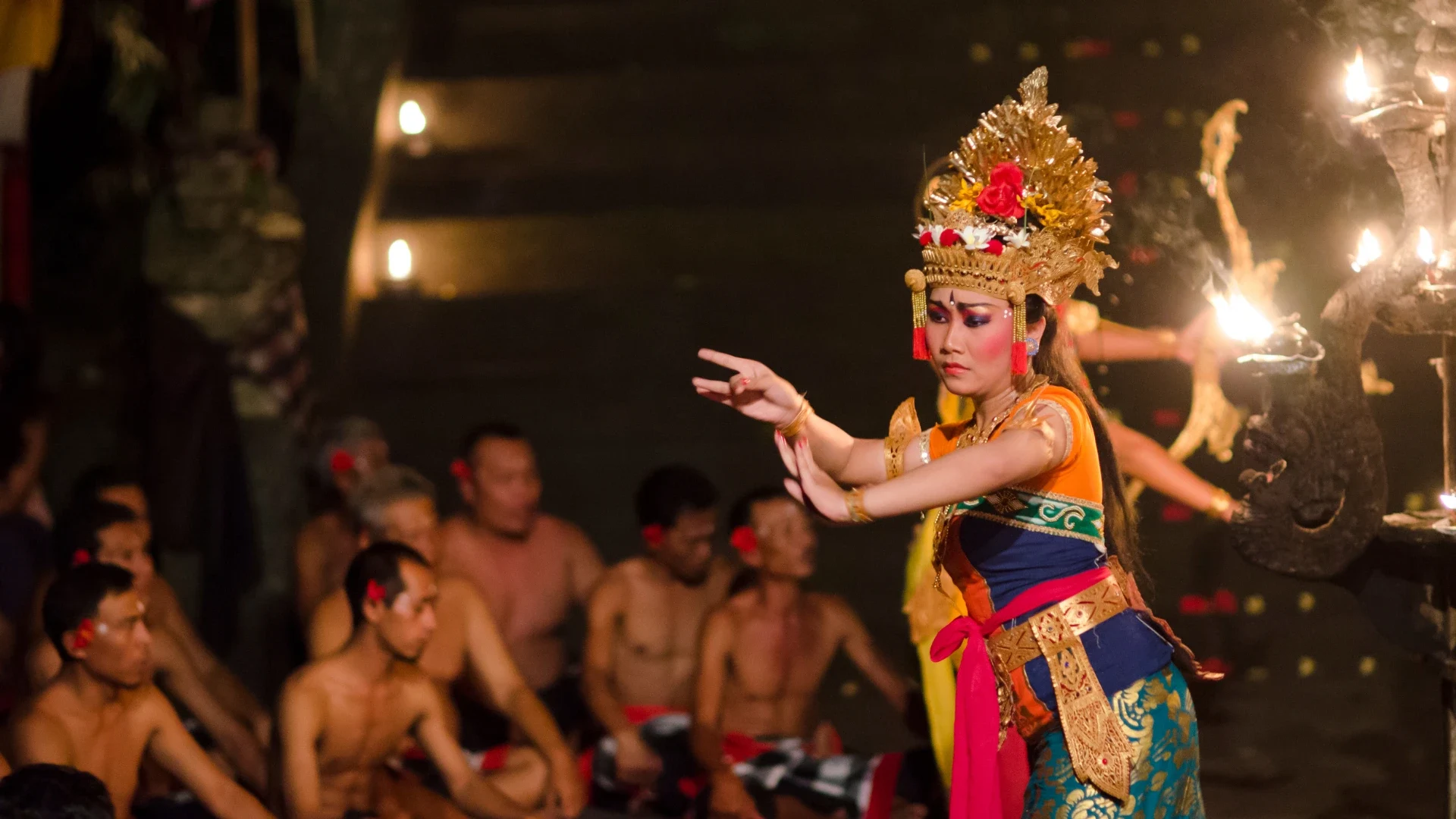
The Legong Dance is a refined and elegant performance. It usually tells stories about Balinese royalty or gods. Young girls often perform this dance with delicate hand gestures and precise footwork. The dancers wear colorful costumes and golden headdresses. The dance creates a magical and spiritual atmosphere.
Barong Dance
The Barong Dance shows the eternal fight between good and evil. Barong represents the good spirit, while Rangda is the evil witch. This dance is dramatic and full of energy. It is believed to protect the village from harm. The Barong costume looks like a large lion with bright colors and fur.
Kecak Dance
The Kecak Dance is unique because it uses no musical instruments. Instead, a circle of men chant “cak” in rhythm. This dance tells the story of the Ramayana, a famous Hindu epic. The dancers act out battles and adventures. The fire in the center adds to the sacred feeling.
Ritual Ceremonies
Ritual ceremonies are the heart of Balinese Hinduism. They connect people with the spiritual world. These ceremonies are full of color, sound, and meaning. Each ritual has a special role in daily life and community harmony.
Balinese people prepare carefully for each ceremony. They believe these rituals keep the balance between humans, gods, and nature. Dance and music play a big part in these sacred events.
Temple Festivals
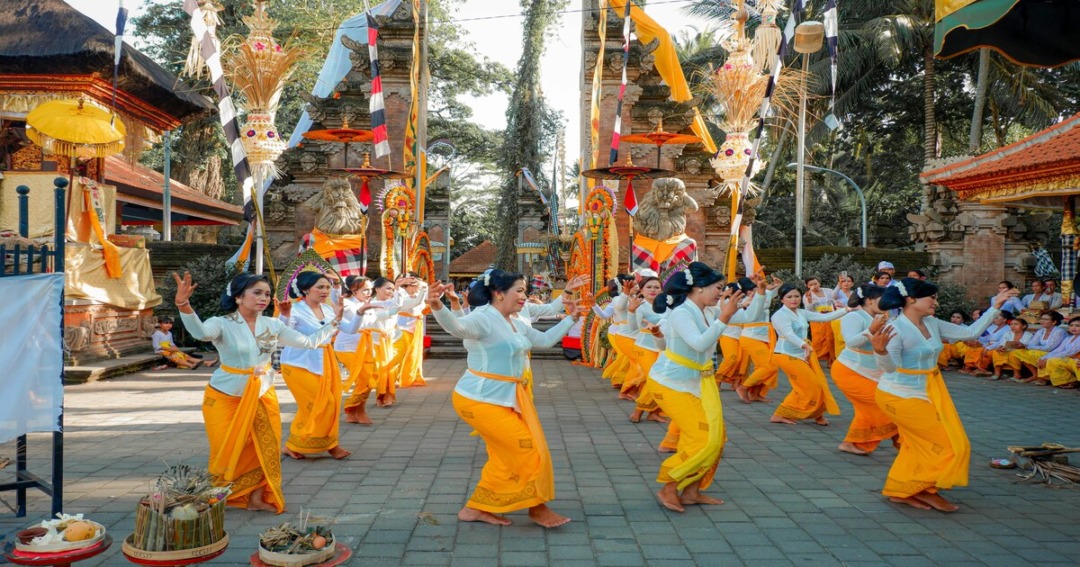
Temple festivals are grand celebrations held at sacred temples. These festivals happen regularly throughout the year. They honor the gods and invite blessings for the community.
During festivals, the temple is decorated with flowers and offerings. Traditional dances and gamelan music create a lively atmosphere. Everyone participates, from young children to elders.
These festivals last for days. They include prayers, ceremonies, and cultural performances. The energy and devotion are visible in every moment.
Life Cycle Rituals
Life cycle rituals mark important stages in a person’s life. Birth, puberty, marriage, and death each have unique ceremonies. These rituals guide individuals through life’s transitions.
Families invite priests to perform sacred rites. These rites bring protection and blessings. They also strengthen family bonds and social ties.
The rituals often involve offerings, chants, and symbolic acts. They reflect respect for ancestors and the divine forces.
Offerings And Symbolism
Offerings are central to Balinese rituals. They are small, beautiful arrangements of flowers, food, and incense. Each item in an offering has a special meaning.
Offerings show gratitude and ask for protection. They balance spiritual energy between the seen and unseen worlds. The act of making offerings is both an art and a prayer.
Symbolism in offerings connects humans with gods and nature. Colors, shapes, and scents all carry messages. This rich symbolism helps keep the spiritual life vibrant and alive.
Credit: blog.explurger.com
Role Of Music And Costume
Music and costume play a vital role in Balinese Hindu dance and rituals. They bring stories to life and create a deep spiritual connection. Every sound and color has meaning. They guide the dancers and help the audience feel the sacred energy.
Gamelan Orchestra
The gamelan orchestra is the heart of Balinese music. It uses many instruments like metallophones, gongs, and drums. The music sets the rhythm for the dancers. It changes to match the mood of the story. Soft sounds show calm moments. Loud beats signal dramatic parts. The gamelan’s complex patterns create a magical atmosphere.
Traditional Attire
Costumes in Balinese dance are bright and detailed. They reflect the character’s role in the ritual. Dancers wear crowns, sashes, and silk fabrics. Gold and red colors are common. Each piece of clothing has a spiritual meaning. The costumes help dancers move with grace. They also draw the audience’s attention to hand and eye movements. Together, music and costume make the ritual complete.
Spiritual Significance
Balinese Hinduism dance and rituals hold deep spiritual meaning. They are not just art forms but expressions of faith. Each movement and chant tells a story of gods, nature, and life. These traditions connect the people to their inner selves and the world around them.
Connection To Nature
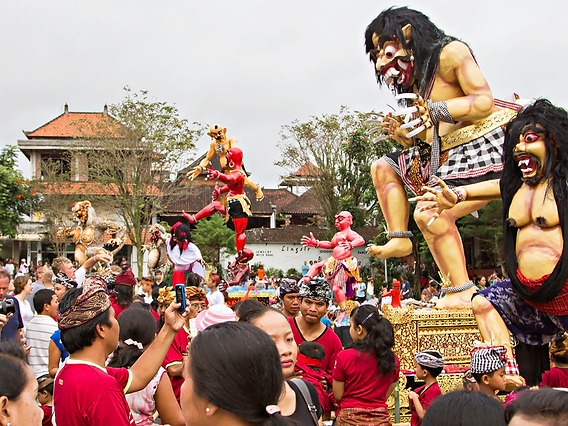
Balinese rituals reflect a strong bond with nature. The dances often honor natural elements like water, earth, and wind. Performers wear costumes inspired by animals and plants. These elements symbolize balance and harmony in life. The rituals remind people to respect and protect nature’s gifts.
Community And Identity
Dance and rituals unite the Balinese community. They celebrate shared beliefs and cultural roots. Participation strengthens social ties and a sense of belonging. Young and old join together in preparation and performance. This unity helps preserve their unique identity through generations.
Credit: www.wearesynergypro.com
Modern Influence And Preservation
Balinese Hinduism dance and rituals have deep spiritual roots. These traditions face new challenges and changes today. Modern life influences how dances and rituals are performed and seen. At the same time, many work hard to keep these customs alive. Balancing change and preservation shapes Bali’s spiritual culture now.
Tourism Impact
Tourism brings many visitors to Bali’s sacred dances and rituals. Tourists enjoy watching performances in temples and public spaces. This interest helps raise awareness about Balinese culture worldwide. It also creates jobs for local dancers and artists. Yet, some performances change to suit tourist tastes. This can reduce the original spiritual meaning. Crowds and cameras sometimes disrupt the peaceful atmosphere. Careful management is needed to protect these sacred traditions.
Efforts To Sustain Traditions
Many Balinese people work hard to keep their rituals true. Schools teach young dancers the correct movements and stories. Local communities organize ceremonies to honor their gods and ancestors. Some groups limit tourist access to maintain ritual purity. Cultural leaders promote respect for the sacred arts. These efforts help the next generation understand their heritage. They keep Balinese Hinduism dance and rituals alive and meaningful.
Frequently Asked Questions
What Is Balinese Hinduism Dance?
Balinese Hinduism dance is a traditional art form that combines storytelling, religious rituals, and intricate movements. It reflects the island’s spirituality and cultural heritage. These dances often depict Hindu epics and are performed during temple ceremonies to honor deities.
Why Are Rituals Important In Balinese Hinduism?
Rituals in Balinese Hinduism connect the physical and spiritual worlds. They maintain harmony between humans, nature, and gods. Rituals include offerings, prayers, and ceremonies that purify and protect communities, ensuring spiritual balance and blessings.
How Do Balinese Dances Relate To Spirituality?
Balinese dances express devotion and convey religious stories. They serve as a medium for communication with gods and spirits. These performances are deeply symbolic, embodying spiritual themes of creation, protection, and cosmic balance.
When Are Balinese Hindu Rituals Performed?
Balinese Hindu rituals are performed daily and during special ceremonies. Major events include temple anniversaries, full moon days, and life cycle rites. Each ritual has a specific purpose to honor gods and uphold spiritual harmony.
Conclusion
Balinese Hinduism shows a deep connection to spirit and culture. Dance and rituals bring stories and beliefs to life. Visitors can feel the sacred energy in every movement and prayer. These traditions keep the island’s heritage strong and alive. Experiencing them offers a glimpse into a unique, rich world.
The spiritual side of Bali invites respect and wonder. It teaches us about harmony between humans and nature. Truly, Balinese dance and rituals are a beautiful part of Indonesia’s soul.