Temple Etiquette in Asia: Dress Codes Do’s & Don’ts Unveiled
Visiting a temple in Asia can be a powerful and unforgettable experience. But did you know that what you wear can change how you’re received?
Your clothes speak volumes before you even say a word. Getting the dress code right shows respect and helps you connect deeply with the place and its people. You’ll discover the essential do’s and don’ts of temple attire across Asia.
Follow these simple tips, and you’ll feel confident, welcomed, and fully present during your visit. Ready to learn how to dress perfectly for your next temple experience? Keep reading!

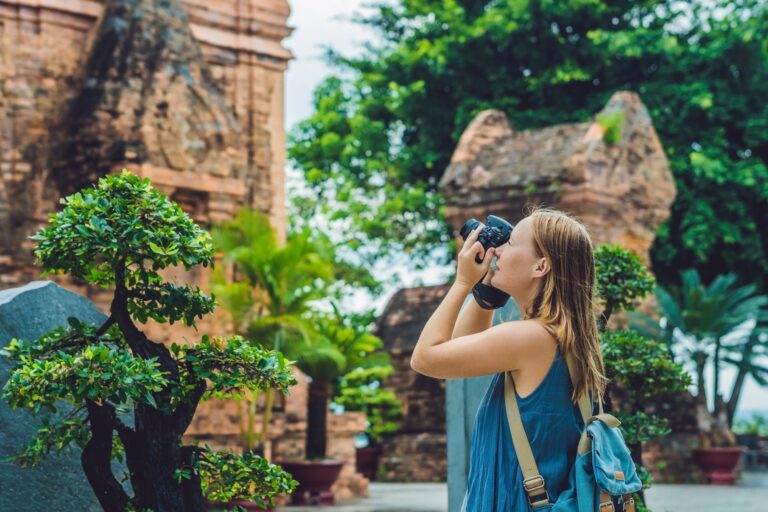
Credit: www.mediastorehouse.com.au
Dress Codes Across Asia
Temples in Asia are places of deep respect and spirituality. Visitors must follow certain dress codes to honor these sacred sites. Dress codes show respect for local culture and religious beliefs. Each country has its own rules about what to wear. Understanding these rules helps you enjoy your visit without problems.
Common Attire Guidelines
Most temples ask visitors to dress modestly. Shoulders and knees should be covered. Avoid tight or see-through clothes. Remove hats and shoes before entering temple halls. Simple, clean clothes are preferred. Bright or flashy outfits may be seen as disrespectful. Dressing neatly shows respect to the place and people.
Regional Variations
In Thailand, women often wear long skirts or pants. Men usually wear long pants and sleeved shirts. In Japan, conservative clothing is important; avoid shorts and tank tops. India’s temples prefer traditional attire like saris or kurta pajamas. Some temples in Bali allow sarongs for both men and women. These variations reflect local customs and religious teachings.
Seasonal Considerations
Hot weather can make dressing modestly a challenge. Light, breathable fabrics help stay cool while respecting rules. During cold seasons, layering is useful but keep clothes modest. Rainy seasons may require carrying a modest raincoat or shawl. Respecting dress codes in all seasons shows your care for the culture.

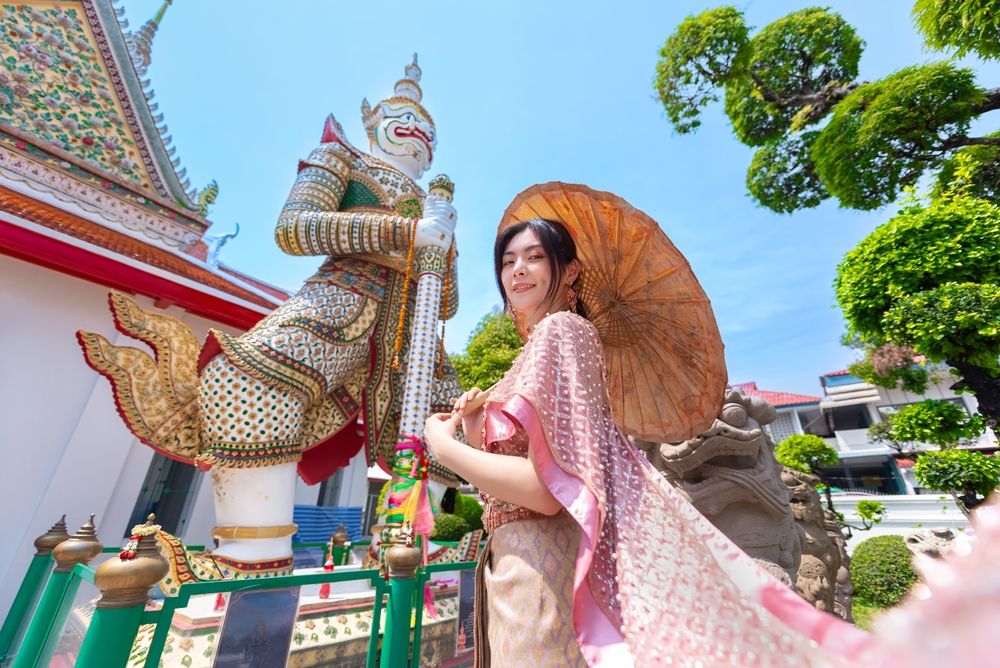
Credit: www.tagthai.com
Do’s For Visiting Temples
Visiting temples in Asia is a special experience. It needs respect and care. Following the right etiquette helps you enjoy the visit. It also shows honor to the place and its people. The do’s for visiting temples guide you on how to dress and behave properly.
Appropriate Clothing Choices
Wear clothes that cover your shoulders and knees. Avoid tight or see-through outfits. Light, loose clothes work well in hot weather. Choose plain colors rather than bright or flashy ones. Carry a scarf or shawl to cover your head or shoulders if needed.
Respectful Behavior
Speak softly inside temple grounds. Avoid loud talking or laughing. Do not point your feet at statues or people. Use your right hand for giving or receiving items. Always ask permission before taking photos. Bow or nod slightly when you enter or leave.
Footwear Practices
Remove your shoes before entering the temple building. Place them neatly outside or in the shoe rack. Wear clean socks or go barefoot inside. Avoid stepping on thresholds or sacred areas. Follow local signs or instructions about shoes carefully.
Don’ts To Avoid
Visiting temples in Asia requires respect and care. Knowing what not to do helps you avoid mistakes. It keeps the place sacred and shows respect to the locals.
Prohibited Clothing Items
Never wear shorts or skirts above the knee inside temples. Avoid tight or see-through clothes. Sleeveless shirts and tank tops are not allowed. Remove hats and sunglasses before entering. Dress modestly to show respect.
Behavioral Taboos
Do not raise your voice or shout inside temple grounds. Avoid pointing your feet at statues or people. Never touch sacred objects without permission. Do not climb on statues or walls. Keep your body language calm and polite.
Photography Restrictions
Many temples forbid photography in certain areas. Always check signs or ask before taking photos. Do not use flash near Buddha statues. Respect monks’ privacy and avoid taking their pictures. Follow temple rules to avoid trouble.
Gender-specific Dress Norms
Gender-specific dress norms are important in many Asian temples. Respecting these rules shows honor to local customs and beliefs. Dressing correctly helps visitors avoid unwanted attention or disrespect. Each gender has clear expectations on what is appropriate to wear inside temple grounds.
Men’s Attire Expectations
Men should wear modest clothing that covers the shoulders and knees. Shorts, sleeveless shirts, and tight clothes are often not allowed. Light, breathable fabrics work well in hot climates. Avoid flashy colors and loud patterns. Closed shoes or sandals are usually best. Removing hats before entering sacred spaces is a sign of respect.
Women’s Attire Expectations
Women must cover shoulders and knees with loose clothing. Avoid tight or see-through outfits. Long skirts or pants paired with tops that cover the arms are common choices. Scarves or shawls can help cover the head if needed. Bright colors are less preferred than soft, natural tones. Footwear should be easy to remove before entering the temple.
Handling Religious Accessories
Religious accessories like prayer beads or amulets should be treated with care. Do not wear sacred items casually or mix them with everyday jewelry. Remove any accessories that may offend local customs. Always ask permission before touching or wearing sacred objects. Keep these items clean and handle them respectfully inside temple areas.
Tips For First-time Visitors
Visiting a temple in Asia for the first time can feel exciting and a bit overwhelming. Each temple has its own rules about dress and behavior. Knowing what to expect helps you enjoy the visit and show respect. Here are some simple tips to help you prepare and act appropriately in temples.
Preparing Your Outfit
Choose clothes that cover your shoulders and knees. Loose and light fabrics work best in hot weather. Avoid tight or see-through clothing. Remove hats and sunglasses before entering. Wear shoes that are easy to take off. Carry a scarf or shawl for extra coverage.
Cultural Sensitivity
Follow the local customs quietly. Speak softly inside the temple grounds. Avoid pointing your feet at statues or people. Do not touch sacred objects or monks unless invited. Respect signs and instructions. Show patience and kindness to others.
Navigating Unexpected Situations
Sometimes, rules may vary between temples. Watch what locals do and copy their actions. If unsure, ask politely for guidance. Stay calm if asked to change your behavior. Keep your phone silent and avoid taking photos where forbidden. Enjoy the peaceful atmosphere without distractions.

Credit: www.tagthai.com
Frequently Asked Questions
What Are The Basic Dress Codes For Asian Temples?
Basic temple dress codes include modest clothing that covers shoulders and knees. Avoid tight, transparent, or revealing outfits to show respect and adhere to local customs.
Can I Wear Shorts Or Sleeveless Tops In Temples?
Shorts and sleeveless tops are generally not allowed in most Asian temples. Wear long pants or skirts and tops with sleeves to respect cultural norms.
Are Shoes Allowed Inside Temple Premises?
Most Asian temples require visitors to remove shoes before entering. This practice keeps the temple clean and shows respect for the sacred space.
How Do Dress Codes Vary Between Different Asian Countries?
Dress codes vary slightly: some temples allow lightweight fabrics due to heat, but modesty rules remain strict across countries. Research local customs before visiting.
Conclusion
Respecting temple dress codes shows care and understanding. Covering shoulders and knees keeps you respectful. Avoid tight or see-through clothes to honor traditions. Wearing clean and modest clothes helps create a peaceful mood. Following these simple rules makes your visit smooth and pleasant.
It also helps you enjoy the culture deeply. Always observe and learn from locals around you. Small efforts make a big difference in temples. Respect brings good experiences and warm welcomes every time. Keep these tips in mind for your next trip.