
A Gourmet’s Guide to Southeast Asia: Michelin Stars to Night Markets Unveiled
Are you ready to discover Southeast Asia like never before? From the dazzling Michelin-starred restaurants to the vibrant, bustling night markets, this guide is made just for you.
Imagine tasting world-class dishes crafted by top chefs, then diving into the rich flavors of street food that tell a story with every bite. Whether you’re a food lover seeking luxury or an adventurous eater craving authentic local tastes, this guide will help you unlock the best of both worlds.
Keep reading to find out how to satisfy your taste buds and create unforgettable memories on your next trip to Southeast Asia.
Credit: www.fb101.com
Southeast Asia’s Culinary Landscape
Southeast Asia’s culinary landscape is rich and inviting. It blends many cultures, ingredients, and cooking styles. This region offers a unique taste experience. From busy street corners to elegant dining rooms, flavors tell stories of history and tradition.
The food here is not just about eating. It is about sharing and connecting. Each dish carries a piece of the past and a hint of the future. Exploring this food scene offers more than meals. It offers a journey through vibrant cultures and bold flavors.
Diverse Flavors And Influences
Southeast Asia’s food reflects many cultural influences. Chinese, Indian, Malay, and European spices mix in dishes. Fresh herbs like lemongrass and coriander add bright notes. Coconut milk brings creaminess and depth. Every plate is a blend of sweet, sour, salty, and spicy tastes.
Each country has its own specialties. Thai food is known for its balance of flavors. Vietnamese dishes highlight fresh vegetables and herbs. Indonesian cuisine uses rich spices and bold flavors. This variety makes Southeast Asia a true food lover’s paradise.
Street Food Culture
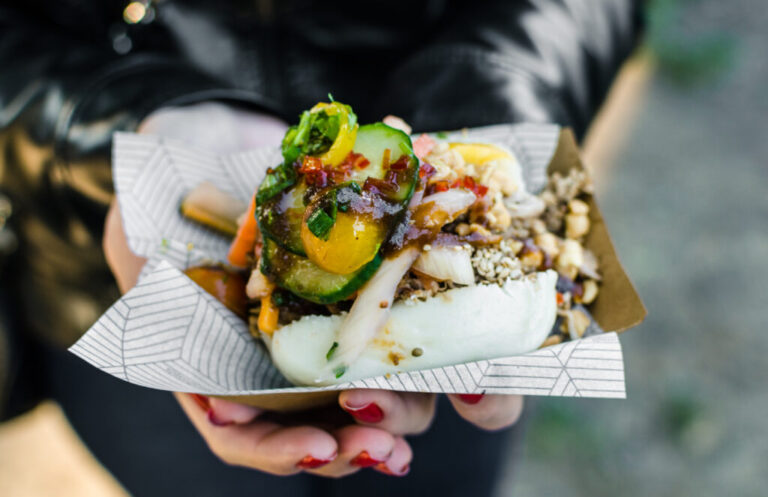
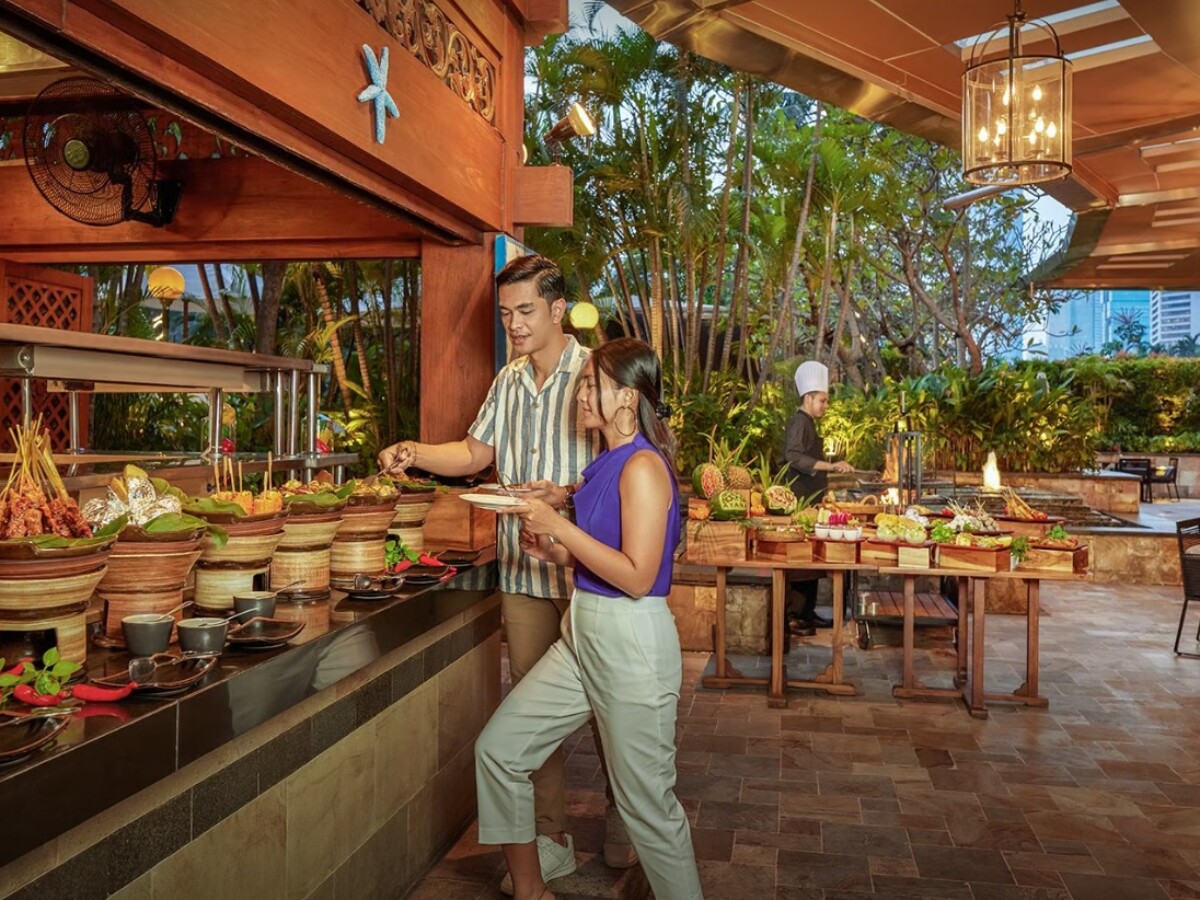
Street food is at the heart of this region’s cuisine. Vendors serve quick, tasty meals on busy streets. Night markets come alive with sizzling grills and colorful stalls. Food smells fill the air, inviting passersby to stop and taste.
Popular snacks include satay, noodles, and rice dishes. Street food offers authentic flavors at low prices. It is a social experience where locals and tourists meet. Eating on the street gives a glimpse into daily life and local traditions.
Fine Dining Trends
Fine dining in Southeast Asia has grown fast. Restaurants use local ingredients with modern techniques. Many chefs blend traditional recipes with new ideas. This creates unique dishes that surprise and delight.
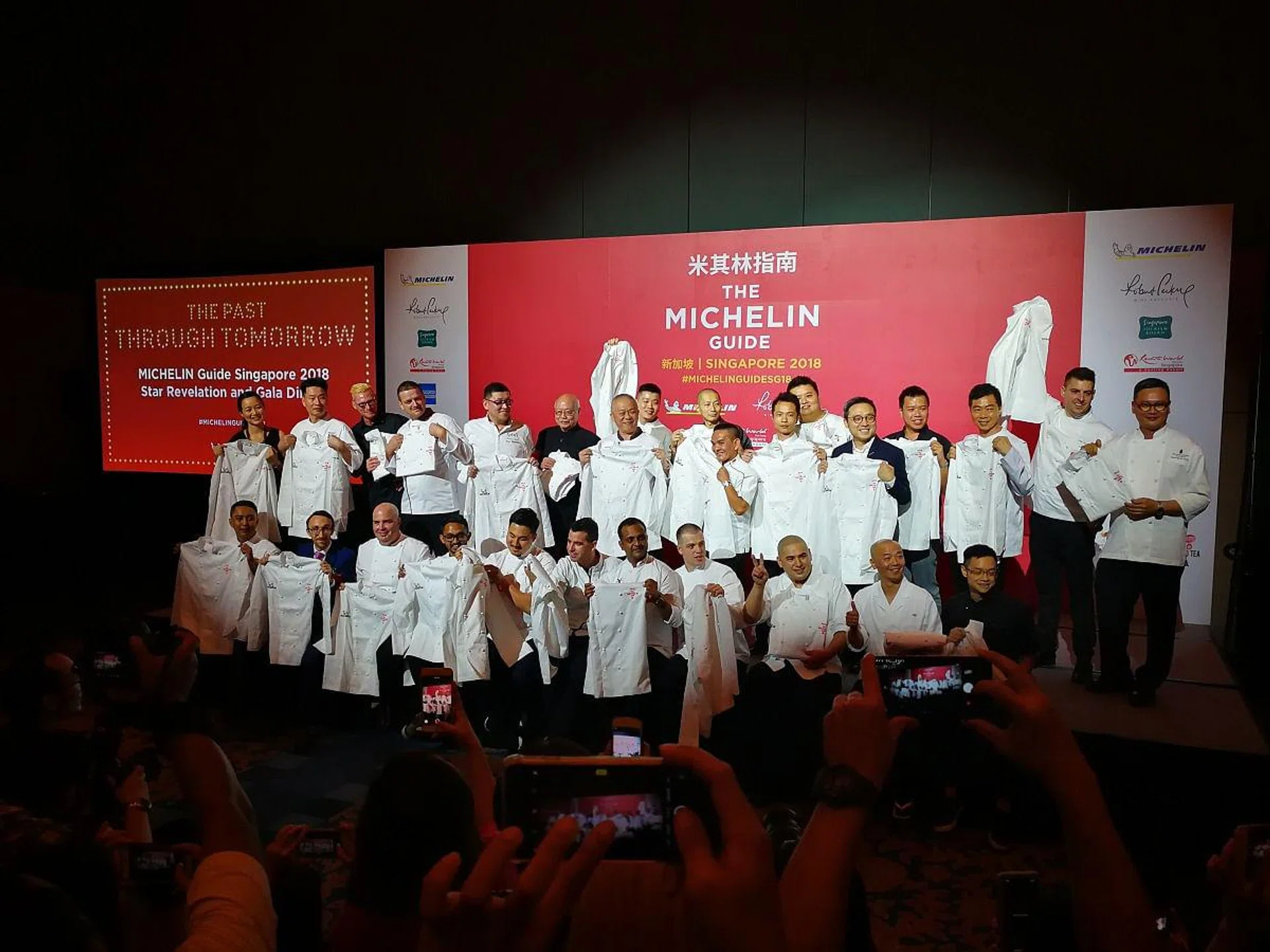
Michelin-starred restaurants highlight the region’s culinary talent. They attract food lovers from around the world. Elegant settings and creative menus offer a different way to enjoy Southeast Asian food. Fine dining here celebrates both heritage and innovation.
Credit: www.thepeakmagazine.com.sg
Michelin-starred Gems
Southeast Asia’s culinary scene shines brightly with its Michelin-starred gems. These restaurants showcase the finest flavors and skills. Each one offers a unique taste of the region’s rich food culture. From elegant dining rooms to innovative menus, these spots attract food lovers worldwide.
Discovering these gems brings you close to the heart of Southeast Asia’s gourmet world. Every dish tells a story. Every chef brings passion to the table. The Michelin stars highlight quality, creativity, and tradition.
Top Restaurants By Country
Thailand features restaurants like Sühring in Bangkok, known for modern German cuisine with Thai touches. Singapore’s Odette offers French dishes with local ingredients. Malaysia’s Dewakan in Kuala Lumpur focuses on native flavors with a fine dining twist. In Vietnam, La Maison 1888 in Da Nang blends French and Vietnamese styles beautifully.
Signature Dishes To Try
In Thailand, try the Khao Soi with rich coconut curry and crispy noodles. Singapore’s chili crab remains a must-try, famous for its spicy and sweet sauce. Malaysia’s otak-otak presents grilled fish wrapped in banana leaves, bursting with herbs. Vietnam’s pho, a fragrant noodle soup, comforts with deep flavors.
Chefs Shaping The Scene
Chef Bo Songvisava of Sühring creates dishes that mix German roots with Thai history. Chef Julien Royer at Odette blends French technique and Southeast Asian produce. Chef Darren Teoh of Dewakan explores Malaysian forests to inspire his menu. Chef Pierre Gagnaire guides La Maison 1888, crafting dishes that unite French and Vietnamese tastes.
Night Markets And Local Bites
Night markets in Southeast Asia offer a vibrant taste of local life and flavors. These markets come alive after sunset, with colorful stalls and sizzling street food. They are perfect places to explore local snacks and meet friendly vendors. The mix of aromas, sounds, and sights creates a unique atmosphere. Visitors can enjoy fresh, affordable food while soaking in the culture.
Famous Night Markets To Visit
Chatuchak Weekend Market in Bangkok is a huge spot for food and shopping. It has many street food stalls offering tasty local dishes. In Kuala Lumpur, Jalan Alor is famous for its variety of grilled meats and seafood. Taipei’s Shilin Night Market combines food stalls with fun games and shopping. In Ho Chi Minh City, Ben Thanh Market is popular for fresh fruits and traditional snacks.
Must-try Street Foods
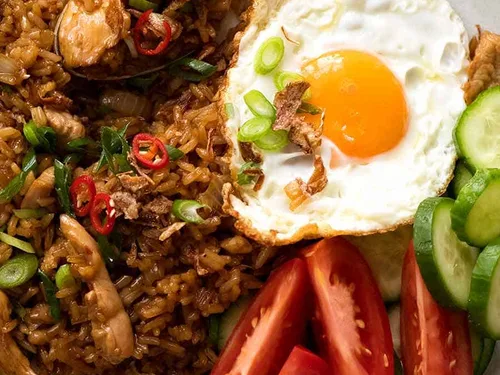
Try Pad Thai, a stir-fried noodle dish with peanuts and lime. Satay, grilled meat on sticks, comes with peanut sauce. Mango sticky rice is a sweet treat made with coconut milk. Banh Mi is a crunchy baguette sandwich filled with meats and herbs. Don’t miss fresh spring rolls, packed with vegetables and shrimp. These foods are flavorful and easy to eat while walking.
Tips For Navigating Crowds
Go early to avoid the busiest times. Carry small bills for quick payments. Stay alert to your belongings in crowded areas. Follow the local flow to move smoothly through stalls. Ask vendors about their best dishes to save time. Bring a bottle of water to stay hydrated. Wear comfortable shoes for long walks.
Unique Ingredients And Techniques
Southeast Asia’s food stands out because of its unique ingredients and cooking methods. These elements shape the rich flavors and textures found across the region. Each dish tells a story of local culture and tradition.
Many ingredients are only found in this part of the world. Chefs use age-old techniques that bring out bold tastes. These methods keep the food authentic and full of character.
At the same time, new styles and fusion dishes add fresh excitement. They blend classic flavors with modern ideas. This mix makes Southeast Asian cuisine a delight for every palate.
Iconic Regional Ingredients
Fresh herbs like lemongrass and kaffir lime leaves are staples. Chili peppers add heat and depth to many dishes. Fish sauce and shrimp paste bring salty, savory notes.
Rice and coconut milk appear in almost every meal. Exotic fruits like durian and mangosteen offer unique sweetness. These ingredients create the signature taste of the region.
Traditional Cooking Methods
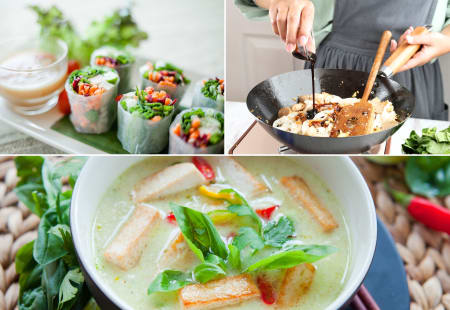
Steaming and grilling are popular ways to cook food. Slow simmering helps develop deep, rich flavors in soups and curries. Wok frying keeps ingredients crisp and vibrant.
Many recipes use mortar and pestle to crush spices. This technique releases fresh aromas and oils. Smoking and fermenting add layers of taste and texture.
Fusion And Modern Twists
Young chefs mix old recipes with new ideas. They combine local spices with international ingredients. Street food vendors serve bold dishes with creative presentations.
Restaurants experiment with plating and cooking styles. This blends tradition with global trends. The result is exciting food that honors the past and embraces the future.
Food Festivals And Events
Southeast Asia bursts with vibrant food festivals and events. These gatherings celebrate the rich food culture of the region. They bring locals and tourists together to enjoy unique flavors and traditions. From grand festivals to lively street contests, there is always something delicious happening.
These events highlight the diverse culinary heritage across countries. They offer a chance to taste authentic dishes and meet passionate chefs. Food lovers find joy in exploring different tastes and cooking styles. Each festival or event tells a story through food.
Annual Culinary Festivals
Annual culinary festivals showcase the best of Southeast Asian cuisine. Cities like Bangkok, Singapore, and Penang host famous events every year. These festivals feature cooking demonstrations, food tastings, and cultural performances. Visitors enjoy dishes from street vendors and high-end restaurants alike. The festivals highlight local ingredients and time-honored recipes. They create a festive atmosphere with music and dance alongside food.
Street Food Competitions
Street food competitions add excitement to the food scene. Chefs and cooks compete to create the tastiest street dishes. These contests often take place at night markets or public squares. They celebrate quick, flavorful meals that represent local street food culture. Winners earn recognition and attract more customers. The competitions inspire innovation while keeping traditional flavors alive.
Seasonal Food Highlights
Seasonal food highlights focus on fresh ingredients and special dishes. Many festivals revolve around harvest seasons or local crops. Examples include durian festivals in Malaysia and mango fairs in Thailand. Seasonal events allow visitors to taste fruits and seafood at their peak. These highlights connect food to nature and local farming traditions. They offer a unique experience tied to time and place.
Planning A Food-centric Trip
Planning a food-centric trip to Southeast Asia means more than just eating. It requires careful choices about where to go and what to try. This region offers a unique blend of street food and fine dining. Many travelers want to taste the best dishes and explore local culture. Understanding the top cities, mixing markets with Michelin-star meals, and respecting local customs will make the journey rich and memorable.
Best Cities For Food Lovers
Bangkok stands out with its street food and high-end restaurants. The city offers everything from spicy soups to gourmet desserts. Hanoi charms visitors with its fresh herbs and simple noodle dishes. Singapore is famous for its diverse food scene and Michelin-starred hawker stalls. Penang, Malaysia, is a haven for seafood and Indian flavors. Each city has a unique taste and style that food lovers will enjoy.
Combining Markets And Fine Dining
Start your day at a vibrant market to try local snacks. Markets are full of fresh ingredients and authentic tastes. Later, visit a fine dining restaurant to experience refined versions of local dishes. This mix shows the full range of Southeast Asian cuisine. It also offers a balance between casual and elegant meals. Try a street vendor’s pad thai, then a chef’s special take on the dish.
Cultural Etiquette And Tips
Respect local customs to enjoy your food trip fully. Always use your right hand for eating or giving money. Avoid pointing your feet at food or people. In some places, sharing food is a sign of friendship. Speak softly and be polite to vendors and servers. These small acts show respect and open doors to new experiences.
Credit: www.lemon8-app.com
Frequently Asked Questions
What Makes Southeast Asia’s Michelin-starred Restaurants Unique?
Southeast Asia’s Michelin-starred restaurants blend local ingredients with global techniques. They offer innovative dishes reflecting rich cultural diversity and bold flavors, making each dining experience unforgettable.
Which Southeast Asian Night Markets Are Best For Food Lovers?
Top night markets like Bangkok’s Chatuchak and Kuala Lumpur’s Jalan Alor offer diverse street foods. These markets showcase authentic local flavors, vibrant atmospheres, and affordable gourmet delights.
How Do Street Foods Compare To Michelin Dining In Southeast Asia?
Street foods offer authentic, affordable, and bold flavors, while Michelin dining provides refined, artistic presentations. Both highlight regional ingredients and culinary heritage, catering to different tastes and experiences.
Can I Find Vegetarian Options In Southeast Asia’s Gourmet Scene?
Yes, many Michelin restaurants and night markets offer vegetarian dishes. Southeast Asia’s diverse cuisines include flavorful plant-based options made with fresh, local vegetables and spices.
Conclusion
Southeast Asia offers a rich food journey for every taste. From elegant Michelin-starred meals to lively night market snacks, each dish tells a story. Travelers can enjoy bold flavors and new experiences at every turn. The region’s food culture blends tradition with innovation.
Exploring these tastes creates lasting memories and deepens your love for the area. Take time to savor each bite and enjoy the vibrant food scene. This guide helps you discover the best eats across Southeast Asia.