China’S Regional Flavors: Sichuan Spice Vs. Cantonese Elegance Showdown
When it comes to Chinese cuisine, you might think all flavors are the same. But once you taste Sichuan spice and Cantonese elegance, you’ll realize how different and exciting they are.
Imagine the bold, fiery heat that wakes up your senses versus the smooth, delicate tastes that comfort your soul. Which one will you crave more? You’ll discover what makes these two regional flavors unique and how they can transform your dining experience.
Get ready to explore the rich contrasts that could change the way you enjoy Chinese food forever.
Credit: chinaexplorertour.com
Sichuan Spice Profile
Sichuan cuisine is famous for its bold and spicy flavors. It comes from the Sichuan province in southwest China. The food here is full of heat, strong aromas, and unique tastes. The spice profile is complex but balanced. It excites your taste buds with a mix of spicy, numbing, salty, and savory notes.
This flavor style stands out with its use of special ingredients and cooking methods. It creates dishes that are rich, vibrant, and full of character. Understanding Sichuan spice helps you appreciate the depth of this famous regional cuisine.
Key Ingredients And Flavors
Sichuan food uses chili peppers and Sichuan peppercorns. The peppercorns give a tingling, numbing feeling. Garlic and ginger add sharpness and warmth. Fermented bean paste gives a deep, salty taste. Star anise, cinnamon, and cloves add a sweet, fragrant layer. These ingredients mix to create bold, lively flavors.
Signature Dishes
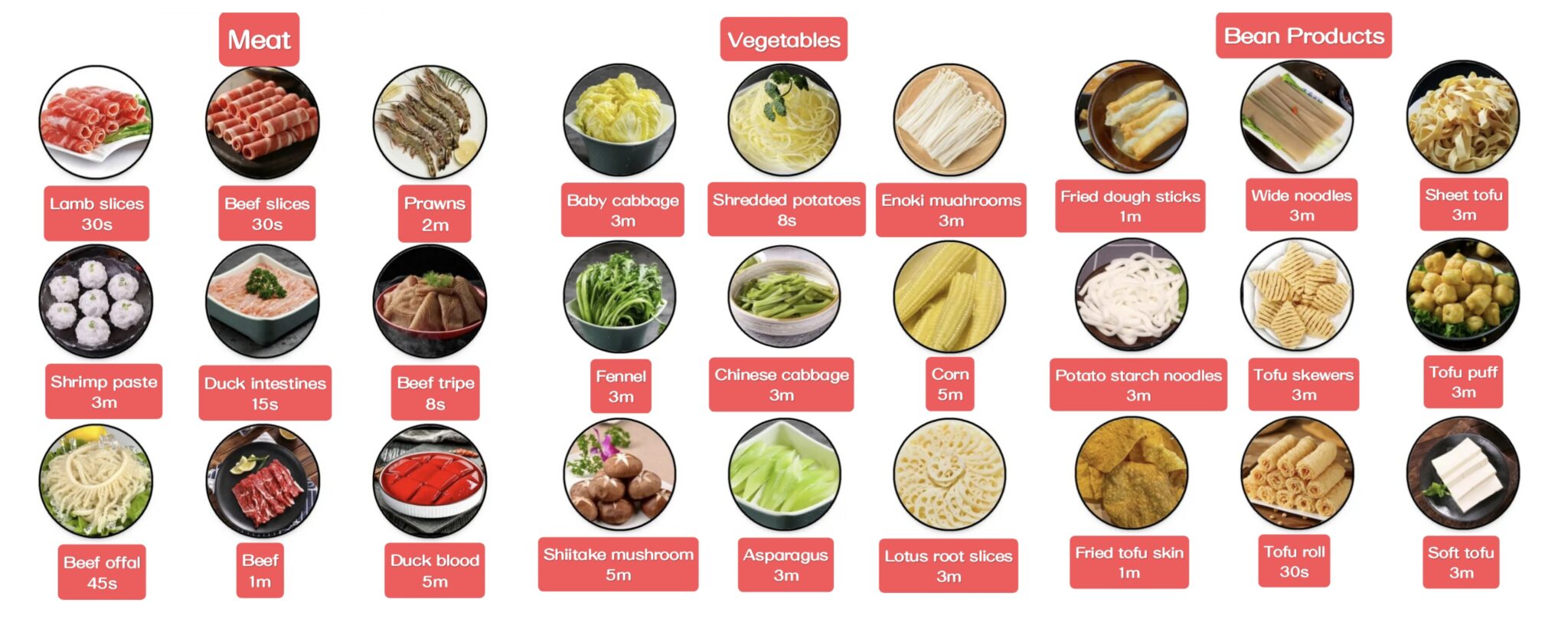
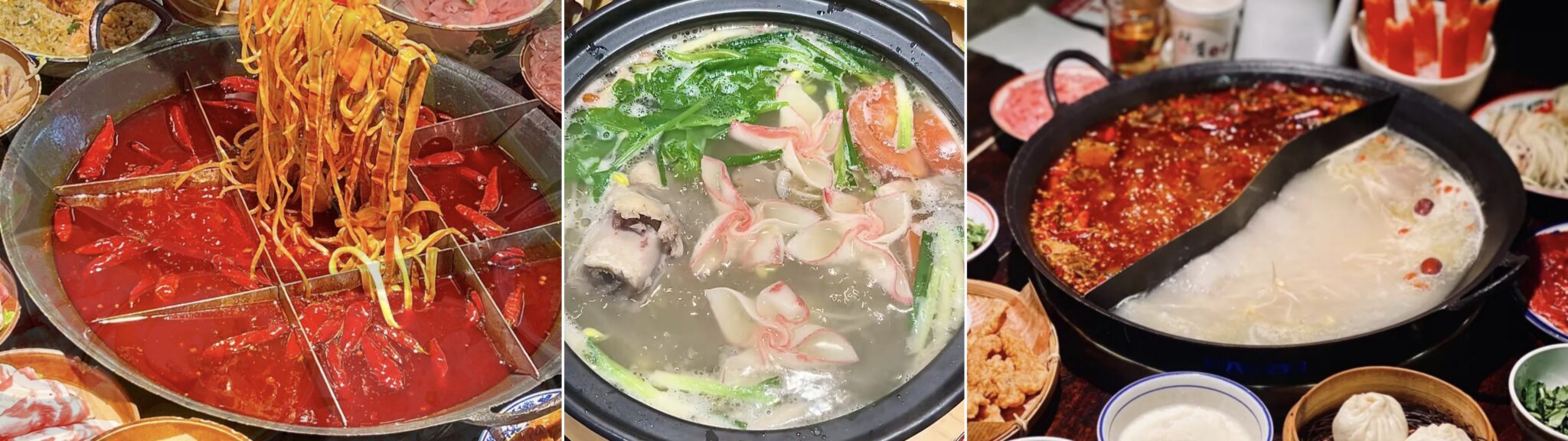
Mapo tofu is a famous dish with spicy, numbing sauce. Kung Pao chicken combines chicken, peanuts, and chili peppers. Twice-cooked pork features tender pork with a rich, spicy glaze. Hot pot offers a spicy broth where you cook meats and vegetables. These dishes show the essence of Sichuan spice and flavor.
Cooking Techniques
Sichuan chefs use stir-frying to keep food fresh and crisp. Dry-frying enhances the flavor of spices and ingredients. Braising lets flavors blend deeply over slow heat. Steaming preserves the natural taste and texture. These methods help balance spice with texture and aroma.
Cantonese Elegance Profile
Cantonese cuisine is known for its elegance and delicate flavors. It focuses on highlighting the natural taste of fresh ingredients. The cooking style is subtle yet rich, offering a unique dining experience. This profile reflects centuries of culinary tradition in southern China.
Freshness And Simplicity
Fresh ingredients are the heart of Cantonese cooking. Seafood, vegetables, and meats are used at their peak freshness. Simple seasoning like soy sauce, ginger, and garlic enhances the natural flavors. The dishes avoid heavy spices and strong sauces. This approach keeps the food light and healthy.
Popular Dishes
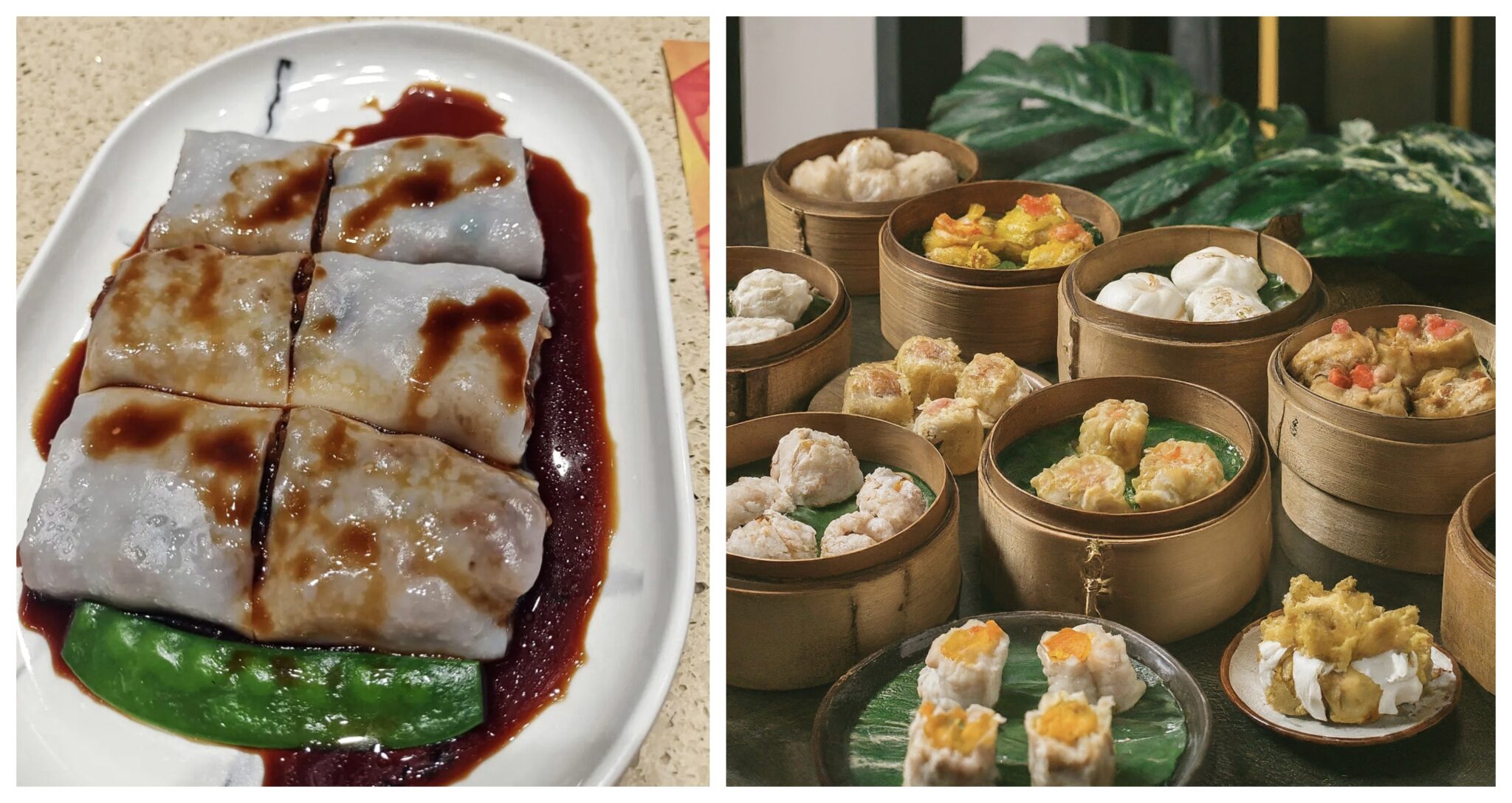
Dim sum is a famous Cantonese delight enjoyed worldwide. Steamed dumplings, buns, and rice rolls are common choices. Roast duck and char siu pork are also beloved dishes. Steamed fish with ginger and scallions shows the focus on freshness. These dishes represent the balance and refinement of Cantonese cuisine.
Preparation Styles
Cantonese chefs use steaming, stir-frying, and roasting methods. Steaming preserves the texture and nutrients of ingredients. Stir-frying cooks food quickly to keep it tender and fresh. Roasting adds a crispy texture without heavy oils. The cooking techniques show respect for each ingredient’s natural quality.
Flavor Comparison
China’s regional cuisines offer unique tastes and experiences. Sichuan and Cantonese styles stand out with very different flavors. Comparing these flavors helps to appreciate each region’s culinary art. The differences are clear in spice, aroma, and texture.
Spice Intensity
Sichuan cuisine is famous for its strong, bold spices. It uses chili peppers and Sichuan peppercorns. These create a hot and numbing sensation on the tongue. The heat is deep and lasting, often surprising first-timers. In contrast, Cantonese food stays mild and gentle. It uses fewer spices and focuses on fresh, natural flavors. The heat level is low or absent, making it easy for all tastes.
Aromatic Elements
Sichuan dishes have a complex aroma from garlic, ginger, and fermented sauces. The smell is sharp and exciting, inviting adventurous eaters. Cantonese dishes offer a lighter fragrance, often from steamed seafood and fresh vegetables. Herbs like ginger and spring onion add subtle scents. The aroma is clean and soothing, emphasizing ingredient freshness.
Texture And Balance
Sichuan food mixes crispy, tender, and oily textures. The dishes balance spicy, sour, and salty tastes. This creates a rich, layered mouthfeel. Cantonese cuisine prefers smooth, delicate textures. Steaming and quick frying keep the food soft and juicy. The taste balance leans toward sweet and savory, with light seasoning. Each bite feels gentle yet flavorful.

Credit: www.shurestaurant.com
Cultural Influences
China’s regional flavors show deep cultural roots. Sichuan and Cantonese cuisines reflect their unique histories and lifestyles. These differences come from diverse traditions and local life.
Understanding cultural influences helps appreciate each style. The food tells stories about people and places. It reveals how history shaped tastes and cooking methods.
Historical Background
Sichuan cuisine grew in a land with hot, humid weather. Spices helped preserve food and fight illness. The region’s history includes many trade routes. These routes brought new spices and ideas.
Cantonese food comes from southern China’s coastal area. It reflects a long history of trade and contact with other cultures. The people here valued fresh, mild flavors. Their history shaped a cuisine known for elegance and balance.
Regional Ingredients
Sichuan cooks use bold ingredients like chili peppers and Sichuan peppercorns. These create a strong, spicy, and numbing taste. Garlic, ginger, and fermented beans also appear often.
Cantonese chefs prefer fresh seafood, rice, and light sauces. Ingredients like soy sauce, ginger, and green onions bring subtle flavors. The focus is on natural taste and texture.
Dining Traditions
Sichuan meals are lively and full of flavor. Dishes often share space on the table. Sharing hot pot or spicy dishes builds community and warmth.
Cantonese dining is graceful and careful. Dim sum and tea are important parts. Meals focus on enjoyment and slow conversation. Presentation and taste matter equally.
Global Impact
China’s regional flavors have reached far beyond its borders. Sichuan spice and Cantonese elegance each tell a unique story through taste. These styles influence global cuisine and dining culture. Their global impact shapes how people enjoy Chinese food worldwide.
Both Sichuan and Cantonese dishes bring different experiences. Sichuan’s bold, spicy flavors excite adventurous eaters. Cantonese cuisine offers delicate, refined tastes that comfort many. This contrast adds to their worldwide appeal.
International Popularity
Sichuan food is famous for its spicy heat and bold seasoning. It attracts those who like strong flavors. Many enjoy dishes like mapo tofu and hot pot.
Cantonese cuisine is known for fresh ingredients and light sauces. Dim sum and roast duck are popular favorites. Its gentle flavors suit many palates globally.
Both cuisines appear on menus in major cities everywhere. Their popularity grows as people seek authentic Chinese tastes.
Fusion And Adaptations
Chefs blend Sichuan spice with local ingredients to create new dishes. This fusion makes spicy food more accessible in different cultures.
Cantonese cooking inspires fusion dishes that mix mild flavors with other traditions. These adaptations keep the cuisine fresh and exciting.
Such creativity helps Chinese regional flavors reach wider audiences. It also encourages food lovers to explore beyond familiar tastes.
Restaurants Around The World
Sichuan and Cantonese restaurants appear in many countries. They bring authentic and modern dishes to local diners.
Some focus on traditional recipes, while others experiment with new ideas. This variety offers choices for all kinds of food lovers.
Dining in these restaurants often becomes a cultural experience. It connects people to China’s rich culinary heritage.
Credit: chinaexplorertour.com
Choosing Between Sichuan And Cantonese
Choosing between Sichuan and Cantonese cuisine depends on your taste, the occasion, and health needs. Both styles offer unique flavors and experiences. Sichuan brings bold spices and heat, while Cantonese focuses on subtle, fresh tastes.
Personal Taste Preferences
Sichuan food suits those who enjoy spicy and strong flavors. It uses chili, peppercorns, and garlic to create a fiery taste. Cantonese food appeals to people who like mild, natural flavors. It highlights fresh ingredients and simple cooking methods. Your palate will guide your choice.
Occasions And Pairings
Sichuan dishes fit casual meals or when you want excitement on your plate. They pair well with cold drinks to balance the heat. Cantonese cuisine is great for family gatherings and formal dinners. Its light flavors match well with tea and wine. Think about the setting and company.
Health Considerations
Sichuan food can be heavy on spices and oil, which might upset sensitive stomachs. Cantonese dishes often use steaming and boiling, making them lighter and healthier. People with digestion issues may prefer Cantonese meals. Choose based on your body’s needs.
Frequently Asked Questions
What Distinguishes Sichuan Spice From Cantonese Cuisine?
Sichuan cuisine is known for its bold, spicy flavors and use of Sichuan peppercorns. Cantonese cuisine emphasizes freshness, mild seasoning, and delicate flavors. Sichuan dishes often feature chili and numbing spice, while Cantonese cuisine highlights steaming and roasting techniques for natural tastes.
Which Region Uses More Spices: Sichuan Or Cantonese?
Sichuan cuisine uses significantly more spices, especially chili peppers and Sichuan peppercorns. Cantonese cuisine uses fewer spices, focusing on subtle seasoning to enhance the main ingredients’ natural flavors. This contrast defines the regional flavor profiles distinctly.
How Do Cooking Techniques Differ In Sichuan And Cantonese Styles?
Sichuan cooking relies on stir-frying, braising, and bold spice blends. Cantonese cuisine prefers steaming, roasting, and quick stir-frying to preserve ingredient freshness. These techniques reflect the regions’ culinary philosophies and local ingredient availability.
Are Sichuan And Cantonese Flavors Popular Globally?
Yes, both Sichuan and Cantonese cuisines enjoy global popularity. Sichuan’s spicy dishes attract those who love heat, while Cantonese cuisine appeals to fans of mild, elegant flavors. Both have influenced international Chinese dining and fusion cuisine.
Conclusion
Sichuan spice and Cantonese elegance show China’s rich food culture. Each offers unique tastes and styles that please many. Sichuan brings bold heat and strong flavors. Cantonese focuses on fresh, light, and smooth dishes. Both reflect their regions’ history and people well.
Trying both helps you enjoy a fuller food experience. Taste buds will thank you for the adventure. Explore, savor, and enjoy the vibrant flavors of China.