Cultural Etiquette 101: Greetings, Gestures & Respectful Travel Tips
When you travel, the way you greet people can open doors—or close them. Simple gestures and manners might mean something very different where you’re going.
Knowing the right way to show respect can make your experience richer and smoother. If you want to avoid awkward moments and connect genuinely with others, understanding cultural etiquette is a must. This guide will help you master greetings, gestures, and respectful travel habits that make a real difference.
Keep reading—you’ll discover how small actions can create big impressions wherever you go.
Greetings Around The World
Greetings vary widely across cultures. They show respect and create good first impressions. Understanding these differences helps travelers connect better and avoid misunderstandings.
Some cultures use handshakes, others prefer bows or kisses. Words and phrases also differ. Learning these customs shows respect for local traditions.
Handshakes And Their Variations
Handshakes are common in many countries. They can be firm or gentle depending on culture. In the United States, a firm handshake shows confidence. In some parts of Asia, a softer handshake is polite. Sometimes, people add a slight bow or nod.
Bows And Nods
Bowing is common in East Asia. Japan uses different bow angles for respect levels. A deep bow shows great respect. Korea also uses bows but often combines them with handshakes. In some countries, a simple nod replaces a handshake.
Kisses And Cheek Touches
In many European and Latin American countries, cheek kisses are common greetings. Usually, people touch cheeks and make a kissing sound. The number of kisses varies by country. In some places, it is one kiss; in others, two or three.
Verbal Greetings And Phrases
Words matter in greetings. Saying “hello” or “good day” is polite everywhere. Some cultures use special phrases to show respect. In India, “Namaste” is common and means respect. Learning a few local phrases helps build trust and friendship.

Credit: www.youtube.com
Common Gestures And Their Meanings
Gestures carry different meanings across cultures. Understanding common gestures helps avoid confusion or offense during travel. Simple hand signals or eye contact can say a lot. Respecting these differences shows cultural awareness and politeness.
Thumbs Up And Okay Signs
The thumbs up gesture means “good” or “okay” in many places. Yet, it can be rude in some countries. The “okay” sign, made by forming a circle with thumb and finger, also varies. It can mean approval or be offensive depending on the culture.
Pointing And Beckoning
Pointing with a finger is normal in some cultures. In others, it is considered impolite or aggressive. Beckoning someone with a finger can be seen as disrespectful. Using the whole hand to gesture is safer and more polite in many regions.
Eye Contact Norms
Eye contact shows attention and honesty in many Western cultures. In some Asian and African cultures, too much eye contact may seem rude or confrontational. Lowering your gaze can show respect in those places. Knowing this helps prevent misunderstandings.
Personal Space And Touch
Personal space varies widely across cultures. Some people stand close during conversations; others prefer more distance. Touching, like handshakes or hugs, also differs. Always observe local customs before touching others to respect their comfort.
Respectful Travel Tips
Traveling with respect shows kindness and understanding. It helps build good connections with local people. Respectful travel makes your journey more enjoyable and meaningful. Learn simple ways to show respect in different cultures.
Dressing Appropriately
Wear clothes that match the local culture and weather. Some places require modest clothing, covering shoulders and knees. Avoid flashy or revealing outfits in sacred sites. Clean and neat clothes show respect to the community.
Tipping Customs
Know the tipping rules before you pay. Some countries expect tips, others do not. Tipping too much or too little can confuse people. Ask locals or check guides to understand proper tipping habits.
Photography Etiquette
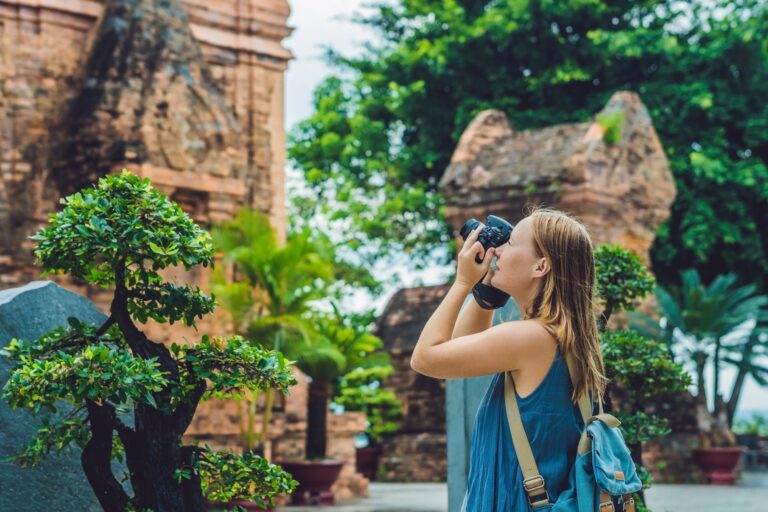
Always ask permission before taking photos of people. Avoid snapping pictures in private or religious areas. Respect signs that forbid photography. A simple “May I take your photo?” goes a long way.
Interacting With Locals
Greet people with a smile and polite words. Listen carefully and speak slowly to be clear. Avoid sensitive topics like politics or religion. Show interest in their culture without being intrusive.

Credit: www.masxworld.com
Cultural Sensitivities To Avoid
Traveling to new places means meeting new people and seeing new customs. Some actions can upset locals without meaning to. Learning what to avoid helps keep respect and friendliness. Small mistakes can cause big problems. Being aware of cultural sensitivities shows kindness and care.
Taboo Topics And Questions
Some subjects are private or hurt feelings. Avoid talking about politics, religion, or money. Questions about age, marital status, or income can seem rude. Respect silence or changes in topic. Always listen first. Follow the lead of locals in conversations.
Sacred Sites And Practices
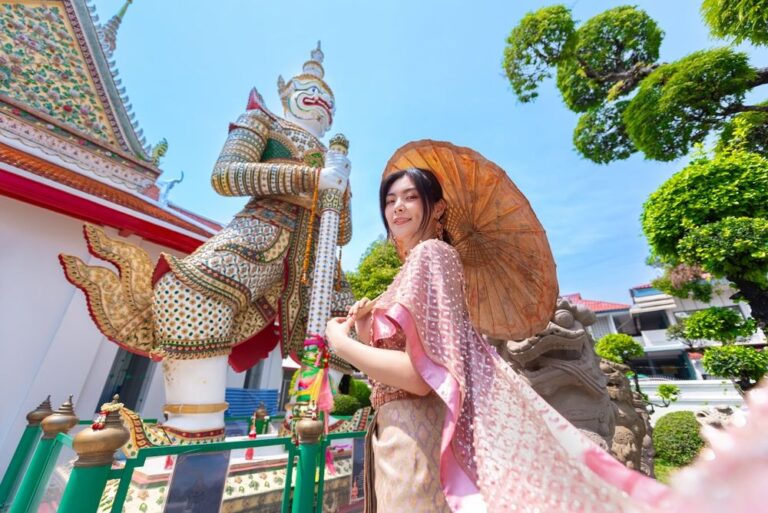
Temples, churches, and other holy places need special respect. Dress modestly and behave quietly. Do not touch sacred objects or take photos without permission. Follow rules about shoes and gestures. Interrupting prayers or ceremonies is disrespectful. Show reverence even if unsure of customs.
Food And Dining Manners
Eating habits vary widely across cultures. Use the correct hand for eating or passing food. Do not waste or leave food uneaten. Avoid pointing with chopsticks or spoons. Wait for the host to start meals. Compliments about food please hosts. Watch how locals eat and copy their manners.
Adapting To New Cultures
Adapting to new cultures opens doors to meaningful travel experiences. It shows respect and appreciation for different ways of life. Learning the right behaviors helps you connect better with locals. It makes your journey smoother and more enjoyable. Understanding customs and manners builds trust and friendship everywhere you go.
Learning Key Phrases
Start by learning basic phrases in the local language. Simple greetings and polite words go a long way. Knowing how to say “hello,” “thank you,” and “please” shows respect. People appreciate the effort and often respond warmly. It helps break the ice and eases communication barriers.
Observing Before Participating
Take time to watch how locals behave in social settings. Notice their greetings and gestures carefully. Copying these actions shows you respect their culture. Avoid rushing to join until you feel confident. Observation prevents accidental disrespect and builds cultural awareness.
Handling Mistakes Gracefully
Mistakes are normal when learning new customs. Apologize sincerely if you offend someone by accident. Most people understand and appreciate your effort to learn. Keep a humble attitude and stay open to correction. This kindness helps you earn respect and goodwill.

Credit: kitec.com.hk
Frequently Asked Questions
What Are Common Greetings Worldwide In Cultural Etiquette?
Common greetings vary by culture. Bowing is typical in Japan, handshakes in the West, and cheek kisses in Latin America. Knowing local greetings shows respect and helps build connections. Always observe and follow local customs when greeting others during your travels.
How To Use Gestures Respectfully When Traveling Abroad?
Gestures can have different meanings globally. For example, thumbs up is positive in some places but offensive in others. Research local body language and avoid ambiguous hand signs. Using respectful gestures prevents misunderstandings and shows cultural awareness.
Why Is Understanding Cultural Etiquette Important For Travelers?
Understanding cultural etiquette helps avoid offending locals and promotes positive interactions. It shows respect for traditions and customs. This knowledge enhances your travel experience and helps build trust and friendships across cultures.
What Are Key Respectful Travel Tips For Different Cultures?
Always learn basic greetings and common customs before visiting. Dress modestly if required and respect religious practices. Avoid sensitive topics in conversations. Showing humility and patience is essential in unfamiliar cultural settings.
Conclusion
Respecting cultural greetings and gestures builds strong connections. Small acts show big respect. Travelers who learn local customs feel more welcome. It helps avoid misunderstandings and creates good memories. Always watch and listen carefully when meeting new people. Being polite opens doors and hearts everywhere you go.
Enjoy your journey with kindness and respect. Embrace diversity and let culture guide your steps. Safe and happy travels!