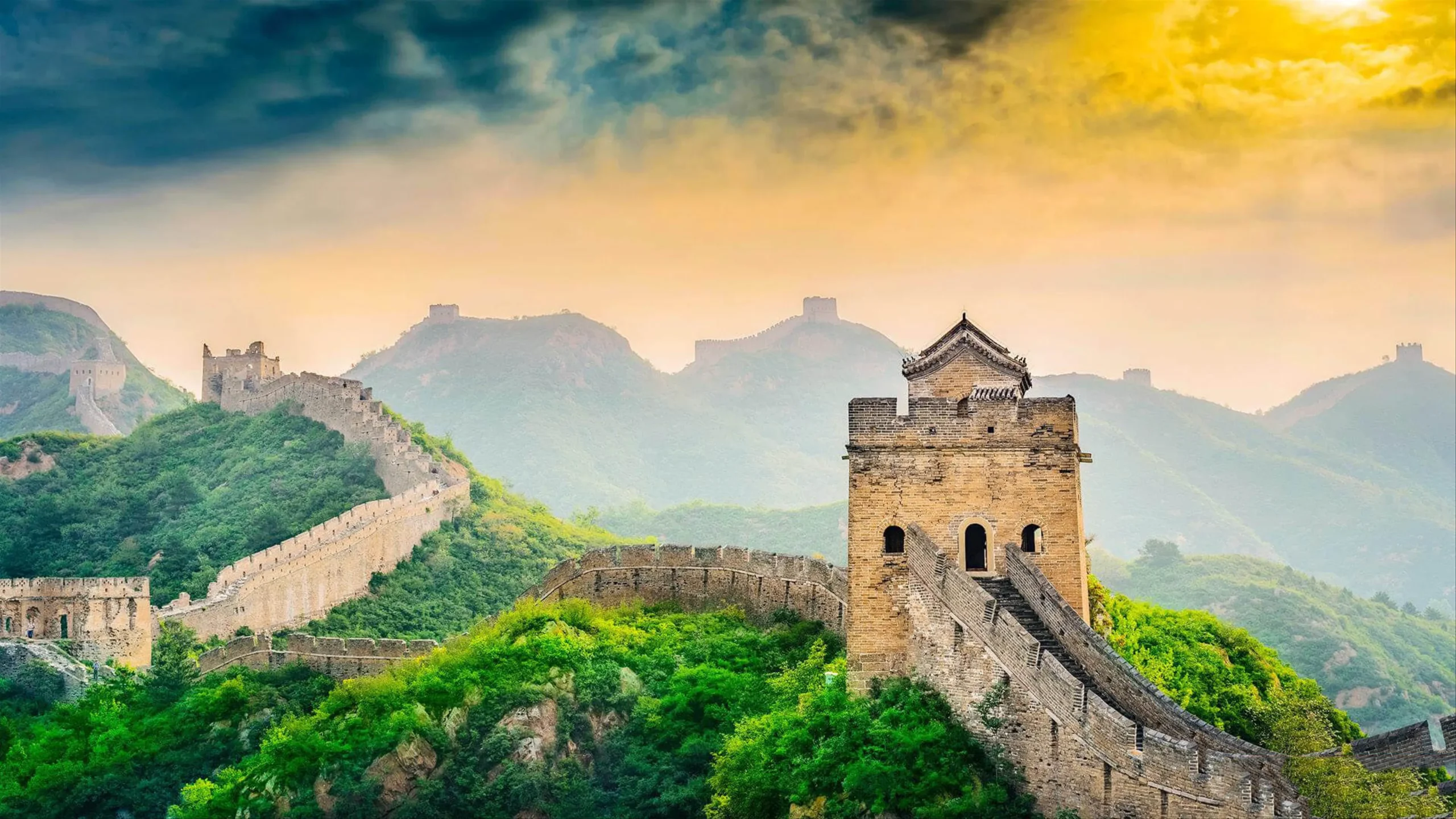
China’S Cultural Tapestry: From Ancient Tea Houses to Modern Art Hubs Unveiled
Imagine stepping into a world where every corner tells a story, and every tradition connects you to thousands of years of history. China’s cultural tapestry is woven with vibrant threads—from the quiet charm of ancient tea houses to the buzzing energy of modern art hubs.
If you want to discover how the old and new blend seamlessly here, this article will guide you through experiences that will surprise and inspire you. Get ready to see China like never before and find out why its culture continues to captivate people around the globe.
Your adventure into this fascinating blend starts now.
Credit: www.ecns.cn
Ancient Tea Houses
Ancient tea houses in China hold a special place in the country’s culture. They are more than places to drink tea. These tea houses tell stories of tradition, art, and community that stretch back centuries.
Visiting a tea house offers a glimpse into a slower, thoughtful way of life. The quiet sounds, the aroma of brewing tea, and the calm atmosphere create a unique experience. These spaces have been centers of culture and social life for many generations.
Origins And Traditions
Tea drinking in China began thousands of years ago. Ancient tea houses started as simple spots for travelers to rest. Over time, they became places for friends to gather and share stories.
Traditional tea ceremonies developed here. These rituals show respect for the tea and the guests. The art of brewing tea carefully passed down through families and tea masters.
Architectural Styles
Ancient tea houses often feature classic Chinese architecture. Wooden beams and paper windows create a warm, natural look. The design focuses on harmony with nature.
Many tea houses have gardens or courtyards. These outdoor spaces add peace and beauty. The architecture invites visitors to relax and enjoy the moment.
Role In Social Life
Tea houses served as social hubs in old China. People met here to talk, play games, or listen to music. These places helped build strong community ties.
Intellectuals and artists often gathered at tea houses. Ideas flowed freely, inspiring creativity. The tea house was a place for learning and sharing culture.

Credit: www.bdatrip.com
Classical Chinese Art
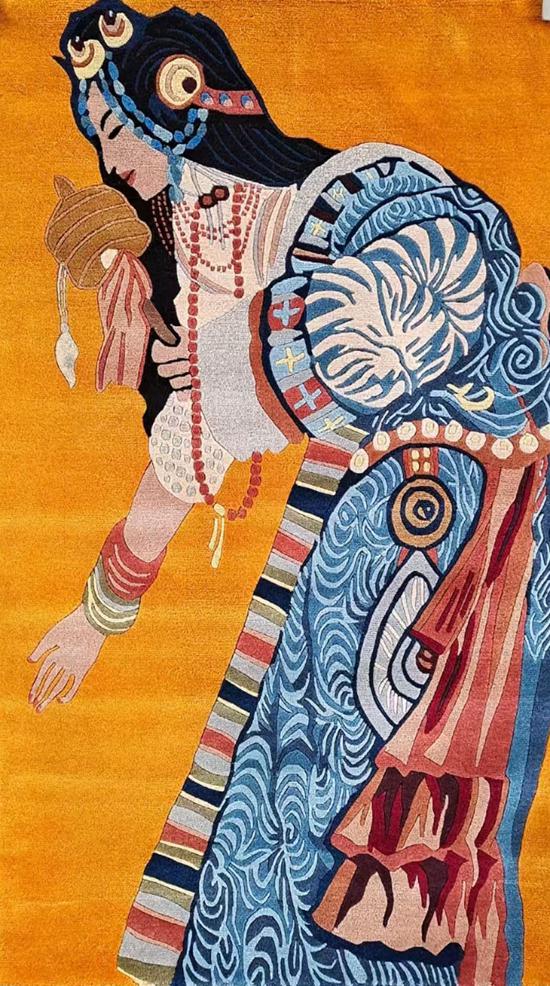
Classical Chinese art reflects thousands of years of culture and history. It shows deep respect for nature, harmony, and balance. Art in China is not just decoration. It tells stories, shares wisdom, and expresses emotions. Each form has its own style and meaning. This art connects the past with the present, inspiring many today.
Calligraphy And Painting
Calligraphy is the art of beautiful writing. It uses brush and ink on paper or silk. Each stroke carries meaning and feeling. Painting often goes with calligraphy. Traditional paintings show landscapes, flowers, and animals. They focus on simple lines and soft colors. The goal is to capture spirit, not details. These arts require patience and skill.
Porcelain And Ceramics
China is famous for its porcelain and ceramics. These items are both practical and beautiful. They often have blue and white designs. Porcelain pieces show flowers, dragons, and scenes from stories. Making porcelain is a careful process. It involves shaping, glazing, and firing in a kiln. These arts have influenced pottery worldwide.
Traditional Music And Dance
Traditional music uses unique instruments like the guzheng and erhu. The sounds are soft and flowing. Music often tells stories or expresses feelings. Dance is graceful and symbolic. Movements mimic nature or tell folk tales. Both music and dance play important roles in festivals and ceremonies. They keep ancient customs alive.
Cultural Festivals
China’s cultural festivals paint a vivid picture of its rich heritage. Each festival tells a story of ancient customs and lively celebrations. These events bring people together, creating joy and deep cultural connections.
The festivals highlight traditions that have lasted for centuries. They mix old rituals with colorful activities. Visitors and locals join in, feeling the spirit and warmth of each celebration.
Lunar New Year Celebrations
The Lunar New Year marks the start of the Chinese calendar. Families clean their homes to sweep away bad luck. Red decorations and lanterns light up streets and homes. Fireworks burst in the sky, chasing away evil spirits. People enjoy special meals with dumplings and rice cakes. The holiday lasts about 15 days, ending with the Lantern Festival.
Mid-autumn Festival
The Mid-Autumn Festival honors the full moon and harvest time. Mooncakes, a sweet pastry, are shared among family and friends. People gather outside to admire the bright moon. Lanterns of many shapes and colors glow in the night. Stories of the moon goddess Chang’e are told. It is a time to give thanks and wish for happiness.
Dragon Boat Festival
The Dragon Boat Festival remembers the poet Qu Yuan. Racing dragon boats on rivers thrills many spectators. Teams row fast to win the race and honor tradition. People eat zongzi, sticky rice wrapped in bamboo leaves. The festival promotes health and drives away evil spirits. It is a lively event filled with energy and history.
Modern Art Hubs
China’s modern art hubs showcase a vibrant mix of creativity and culture. These hubs bring together traditional influences and new ideas. They reflect the country’s rapid changes and artistic growth. Visitors and locals alike find inspiration in these lively spaces.
Emerging Art Districts
Several art districts in China have gained fame recently. Places like Beijing’s 798 Art Zone and Shanghai’s M50 attract artists and fans. These districts host galleries, studios, and exhibitions. They offer a platform for creative expression. The atmosphere buzzes with innovation and energy.
Contemporary Artists
China has many talented contemporary artists. They explore themes like identity, society, and history. Their work often challenges old ideas and traditions. Artists such as Ai Weiwei and Cao Fei have gained global attention. Their art connects deeply with both local and international audiences.
Fusion Of East And West
Modern Chinese art blends Eastern and Western styles. Artists mix traditional techniques with modern concepts. This fusion creates unique and fresh artworks. It shows China’s openness to the world. The combination also highlights the country’s rich heritage and future.
Cultural Preservation Efforts
China’s rich culture faces challenges from fast modernization. Many old traditions and sites risk fading away. Cultural preservation efforts play a key role in protecting this heritage. These efforts keep history alive and connect the past with the present. They support both ancient customs and new creative expressions.
Heritage Sites
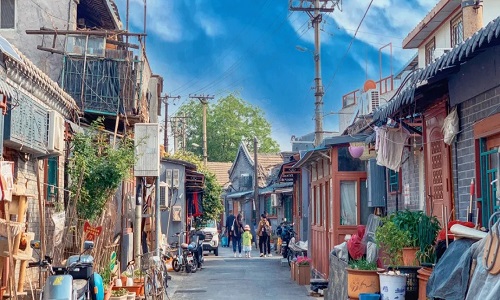
China protects many ancient buildings and landmarks. These heritage sites include temples, tea houses, and old villages. They show the country’s long history and diverse culture. Careful restoration helps maintain their original beauty. Tourists and locals visit these sites to learn about China’s past.
Government Initiatives
The government funds projects to save cultural treasures. Laws protect historical places and traditional crafts. Programs support artists who keep old skills alive. Schools teach young people about China’s cultural roots. These steps help keep traditions strong and respected.
Community Engagement
Local communities play a big role in preservation. They organize festivals, workshops, and events. People share stories and pass down customs to children. Community efforts create pride in cultural identity. Together, they keep China’s culture vibrant and growing.
Credit: www.chinabeijingprivatetour.com
Frequently Asked Questions
What Is The Significance Of Ancient Tea Houses In China?
Ancient tea houses are cultural symbols in China. They foster social interaction and preserve traditional tea ceremonies. These venues reflect China’s rich history and hospitality customs. Tea houses continue to influence modern Chinese culture and tourism.
How Has Chinese Modern Art Evolved Recently?
Chinese modern art blends traditional techniques with contemporary ideas. It explores social themes and global influences. Modern art hubs in cities like Beijing and Shanghai showcase innovative works. This evolution highlights China’s dynamic cultural landscape.
Where Are The Main Art Hubs In China Today?
Beijing, Shanghai, and Chengdu are key art hubs. These cities host galleries, museums, and creative spaces. They attract local and international artists alike. Art hubs boost cultural exchange and economic growth in China.
Why Is China’s Cultural Tapestry Important Globally?
China’s cultural tapestry offers a diverse heritage of art, history, and traditions. It enriches global culture through unique practices like tea ceremonies and calligraphy. Understanding this tapestry promotes cross-cultural appreciation and international collaboration.
Conclusion
China’s culture blends old traditions with new ideas. Ancient tea houses tell stories of the past. Modern art hubs show creativity today. This mix makes China unique and rich. Visitors can explore both history and innovation. Every corner offers a chance to learn.
The cultural tapestry never stops growing. It invites everyone to experience its charm. A journey through China’s culture feels alive. Discover the beauty in every detail.